
Deepak Perwani: The Most Dangerous Fashion Show on Earth
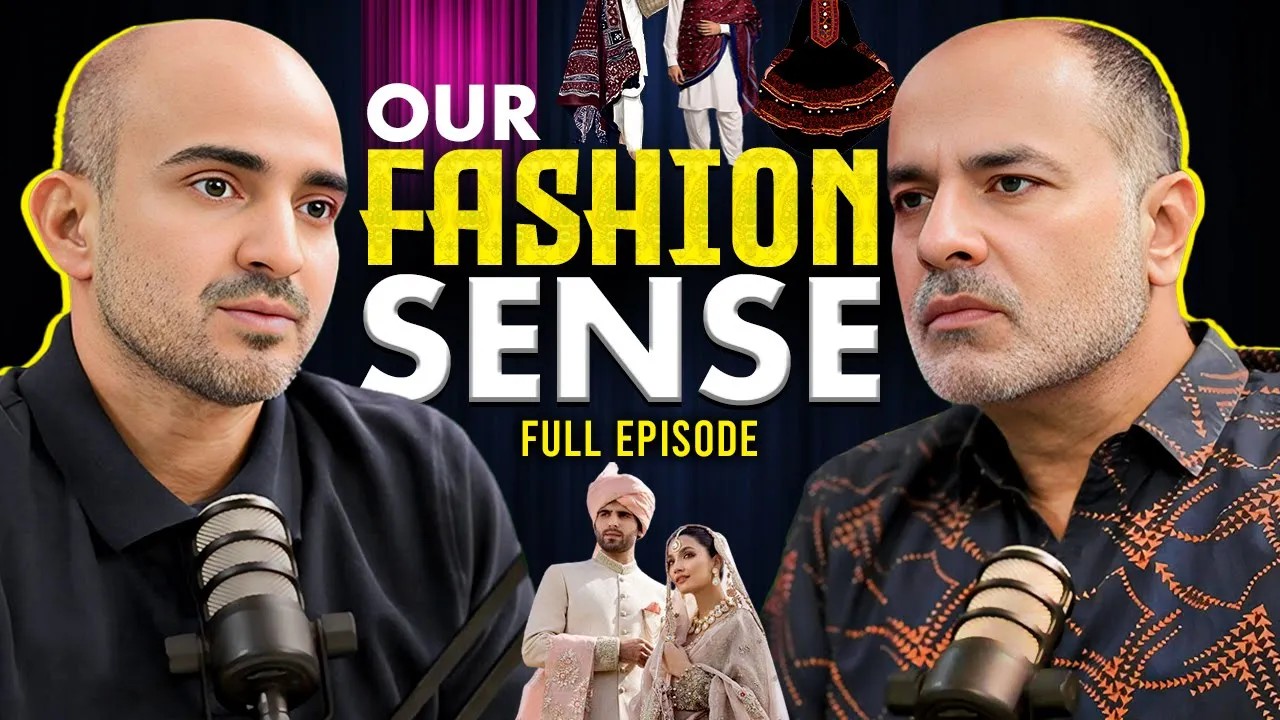
Every so often, you have a conversation that feels less like an interview and more like a history lesson, a cultural critique, and a lament for a lost past, all rolled into one. My recent sit-down with the iconic Deepak Perwani,designer, actor, and a foundational pillar of Pakistan’s fashion industry,was exactly that. We set out to discuss the state of Pakistani fashion, but what unfolded was a powerful narrative about our nation’s identity crisis, seen through the lens of the clothes we wear, the dramas we watch, and the history we’ve tried to forget.One of the most striking revelations came early on.
The Pakistan Factor
When we talked about international influences, Deepak reminded me of a forgotten era of Pakistani glamour. In the 60s and 70s, Pakistan was a global hub. PIA’s first uniform was designed by Hardy Amies, the official designer to the Queen of England.
The Strategic Pivot
Its second was by the legendary French designer Pierre Cardin. This wasn’t just a fashion choice; it was a statement of a progressive, globally-connected Pakistan. This was a country with cabarets, casinos on the horizon, and an international mindset.So, what happened?
The People Question
According to Deepak, we systematically erased our own identity. He argues that post-partition, Pakistan was always an “amalgamated culture”,a rich mix of Sufis, Baloch tribes, Punjabi agriculturalists, and people from all 535 princely states of pre-partition India. But through the successive waves of nationalism and Islamization, we attempted to homogenize this diversity.
Why This Matters
Regional identities were suppressed, British street names were changed, and the unique styles of different communities were flattened into a singular “national dress.”This struggle for identity is at the heart of our creative industries today. Deepak, who was instrumental in launching the first Pakistan Fashion Week in 2001, shared the incredible story of how that event was dubbed “The Most Dangerous Fashion Show on Earth” by international magazine Marie Claire.
It was a moment of defiance against the rising tide of extremism, a declaration that our creative spirit would not be extinguished.However, he is brutally honest about the challenges that remain. He spoke passionately about the censorship that cripples our drama and film industry, forcing storytellers into the repetitive cycle of domestic disputes because they can’t show the complex realities of our society,be it crime, politics, or even simple affection.
It’s a system that forces our creative minds to work with one hand tied behind their backs. This conversation was a poignant look at who we were, who we are, and the difficult question of who we want to become.
Frequently Asked Questions
Deepak Perwani is a prominent figure in fashion featured on the DigiTales podcast with Faizan Sayed, where they discussed their career, insights, and vision for Pakistan's future.
Deepak Perwani discussed the state of Pakistan's creative sector on DigiTales, offering a firsthand account of the challenges artists face and the opportunities that remain for those willing to push boundaries.
DigiTales is a podcast hosted by Faizan Sayed, CEO of East River Digital, featuring weekly conversations with Pakistan's most influential leaders across business, culture, policy, and technology. The show covers real stories and hard-won insights from CEOs, artists, politicians, and entrepreneurs.
Guest: DEEPAK PERWANI
Deepak Perwani is a Pakistani fashion designer, actor, and one of the founders of Pakistan Fashion Week (2001). His career spans over two decades in luxury fashion, and he holds a Guinness World Record. He is an outspoken advocate for creative freedom and Pakistan's cultural identity in design.
Host: Faizan Sayed
Faizan Sayed is the founder of DigiTales Podcast and CEO of East River Digital, a performance-led marketing agency with offices in Pakistan, KSA, and the US. Each week, he interviews Pakistan's most influential leaders across business, culture, and policy.
Category
- Arts & Culture (1)
- Automotive (3)
- Banking & Finance (1)
- Business & Economy (7)
- creative entrepreneurship (1)
- E-Commerce (1)
- Education (1)
- Entertainment (5)
- Entrepreneurship (4)
- Fashion (3)
- Food & Beverage (1)
- growth strategy (1)
- Human Resources (1)
- Insurance & Finance (1)
- Media & Content (2)
- Pakistan-India relations (1)
- Politics (4)
- Social Impact (2)
- Sports (1)
- Technology (1)
- Urban Planning (2)
Recent Post
-
Sheema Kermani: Dance, Culture, and Pakistan's Social Fabric
-
The Survival Playbook: How Ticketwala Launched into a Pandem
-
Zafar Masud on Banking, Rates, and Pakistan's Financial Future
-
The ROI of Hope: Wasif Ali Khan's Foundation for Pakistan's Hidden Talent
-
Liquid Gold: Decoding Karachi's Billion-Dollar Water Crisis
-
The Art of Perception: Syed Jawaid Iqbal on Shaping Reality
-
The Trapped Rat: Sunil Munj on Pakistan's Broken Auto Market
-
The Regulator Solution: Sohail Wajahat's Broken System Fix