
Shark Tank’s Reality: Why Pakistan’s Ideas Die in Due Diligence
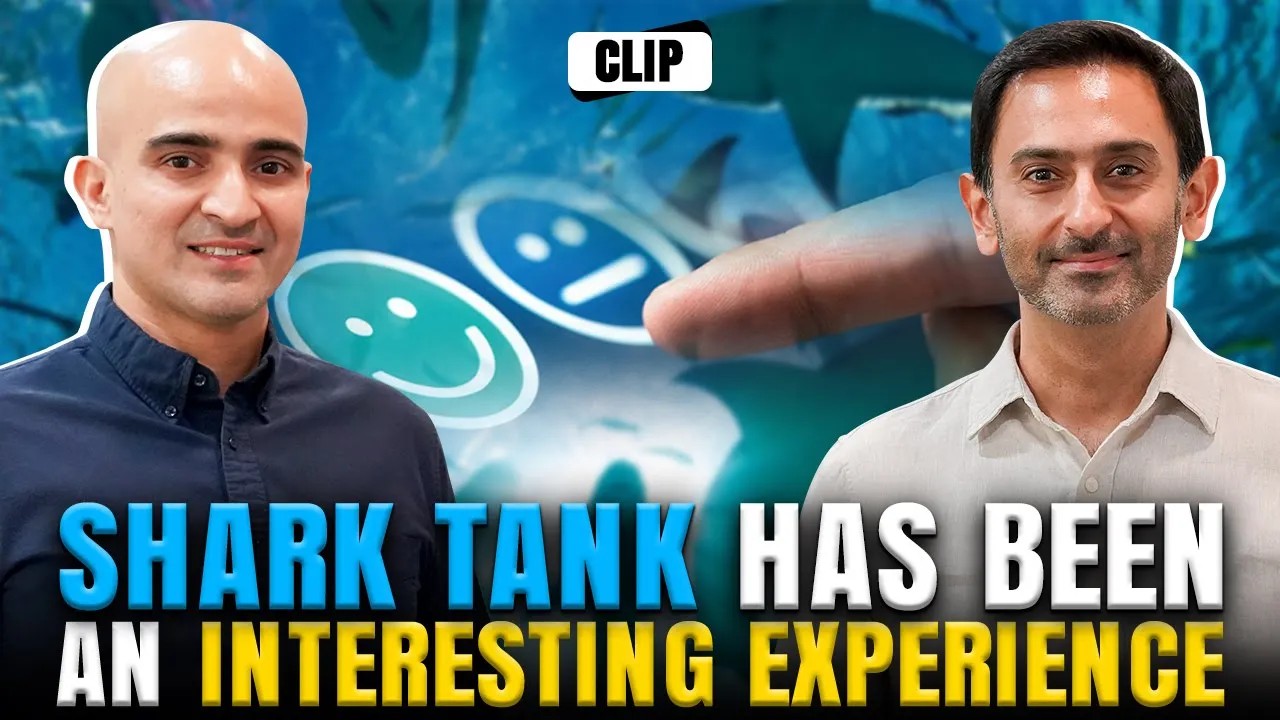
In my recent conversation with investor and Shark Tank Pakistan judge Junaid Iqbal, we peeled back the curtain on the show, and in doing so, uncovered a perfect microcosm of the systemic challenges holding our nation back.Junaid was candid about his experience. While the show was a fantastic platform that unearthed incredible entrepreneurial zeal from every corner of the country,from honey farming to AI in law,the real story began after the cameras stopped rolling. He made nine on-air commitments, a proof to the quality of ideas presented. But as of our recording, only two were proceeding toward investment.
The Fix
Why? The answer lies in a single, frustrating word: documentation.In the due diligence phase, a staggering number of these promising businesses fell apart. Three had major material changes from what was pitched. Four were stuck in the basic stages of submitting documents,some didn’t even have proper company registration, shareholder agreements, or clean financial records.
The People Question
The informality of our economy, which we often discuss at a macro level, was playing out right there. Entrepreneurs with brilliant ideas were mixing personal and business funds, dealing in cash with suppliers, and operating without the basic legal and financial structures needed to accept formal investment.This is the central paradox Junaid highlighted. On one hand, you have immense talent and drive. On the other, you have an operating environment that disincentivizes formality.
Following the Money
With a complex and punishing tax system for the formal sector, it’s no surprise that entrepreneurs choose to stay in the shadows. As Junaid put it, the Pakistani economy treats its children unequally: the industrialist is beaten and over-taxed, the services sector gets by, and the agriculturalist is a prince who pays almost nothing.But the conversation didn’t stop at the problem. Junaid offered a brutally simple and powerful prescription for fixing the system. His number one target?
What Comes Next
Subsidies. He called them “the biggest scam in Pakistan,” arguing they are elite capture mechanisms that rarely reach the intended poor. He advocates for ending these indirect subsidies and Public Sector Development Programs, and instead channeling that money directly to the needy through programs like BISP. His core philosophy is for the government to do less, but do it better. Simplify the tax code, get out of the business of price-setting, and focus on its core responsibilities: security, education, and healthcare.The Shark Tank experience wasn’t just about finding the next big company; it was a diagnostic tool for our entire economic system.
It showed us that the path to prosperity doesn’t just rely on brilliant ideas, but on creating an environment where those ideas can be formally built, funded, and scaled.
Frequently Asked Questions
Junaid Iqbal is a prominent figure in entrepreneurship featured on the DigiTales podcast with Faizan Sayed, where they discussed their career, insights, and vision for Pakistan's future.
On DigiTales, Junaid Iqbal shared candid perspectives on building businesses in Pakistan, including the challenges of operating in a developing market and specific strategies that drove their success.
DigiTales is a podcast hosted by Faizan Sayed, CEO of East River Digital, featuring weekly conversations with Pakistan's most influential leaders across business, culture, policy, and technology. The show covers real stories and hard-won insights from CEOs, artists, politicians, and entrepreneurs.
Guest: JUNAID IQBAL
Junaid Iqbal is a Pakistani investor, entrepreneur, and a judge on Shark Tank Pakistan. Through the show and his investment career, he has evaluated hundreds of startups and is a vocal advocate for formalizing Pakistan's economy and simplifying its tax code.
Host: Faizan Sayed
Faizan Sayed is the founder of DigiTales Podcast and CEO of East River Digital, a performance-led marketing agency with offices in Pakistan, KSA, and the US. Each week, he interviews Pakistan's most influential leaders across business, culture, and policy.
Category
- Arts & Culture (1)
- Automotive (3)
- Banking & Finance (1)
- Business & Economy (7)
- creative entrepreneurship (1)
- E-Commerce (1)
- Education (1)
- Entertainment (5)
- Entrepreneurship (4)
- Fashion (3)
- Food & Beverage (1)
- growth strategy (1)
- Human Resources (1)
- Insurance & Finance (1)
- Media & Content (2)
- Pakistan-India relations (1)
- Politics (4)
- Social Impact (2)
- Sports (1)
- Technology (1)
- Urban Planning (2)
Recent Post
-
Sheema Kermani: Dance, Culture, and Pakistan's Social Fabric
-
The Survival Playbook: How Ticketwala Launched into a Pandem
-
Zafar Masud on Banking, Rates, and Pakistan's Financial Future
-
The ROI of Hope: Wasif Ali Khan's Foundation for Pakistan's Hidden Talent
-
Liquid Gold: Decoding Karachi's Billion-Dollar Water Crisis
-
The Art of Perception: Syed Jawaid Iqbal on Shaping Reality
-
The Trapped Rat: Sunil Munj on Pakistan's Broken Auto Market
-
The Regulator Solution: Sohail Wajahat's Broken System Fix