
The Quiet Revolution: Nasim Beg’s Plan to Fix Pakistan’s
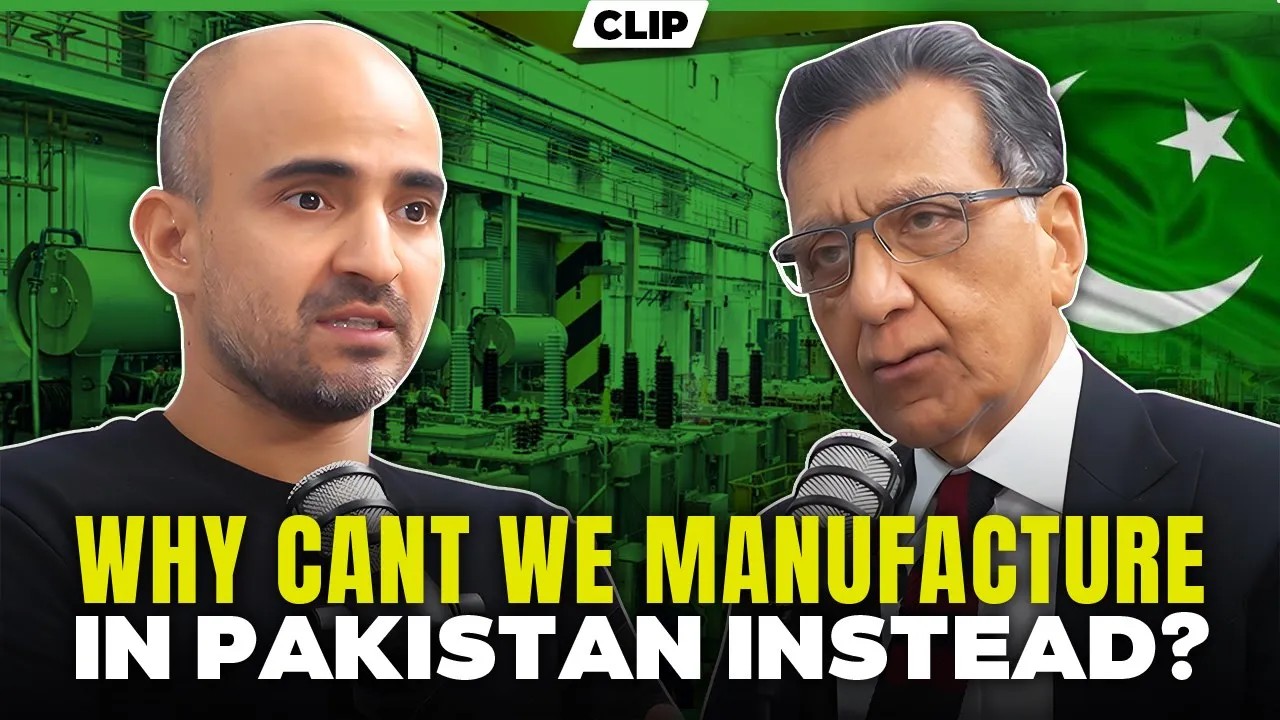
When we look at Pakistan’s economy, we’re often distracted by the daily noise,the stock market rallies, the inflation numbers, the latest IMF negotiations. But what if the real problem lies much deeper, in a systemic flaw that has plagued us for 77 years? And what if the solution isn’t another complicated policy, but a radical idea so simple it’s major? This was the core of my conversation with Nasim Beg, CEO of Arif Habib Consultancy and a veteran of Pakistan’s financial markets.While the recent stock market surge might suggest optimism, Nasim Beg argues it’s a forward-looking indicator based on expected interest rate cuts, not a sign of a fundamental economic recovery.
The People Question
The real issue, he explains, is that Pakistan has never learned to earn its own way. From our inception, we’ve been dependent on getting foreign exchange through aid and geopolitical alliances rather than earning it through a productive, export-oriented economy. This has created a deep-seated import dependency, a culture of consumption over creation, and a system where idle wealth, particularly in real estate, is rewarded more than productive enterprise.So, how do we break a 77-year-old cycle? Nasim Beg’s proposal is what he calls a “quiet revolution”: Universal Basic Income (UBI).His idea is to provide a basic, regular income to every single adult in the country.
Following the Money
This isn’t a handout; it’s a foundational reform designed to tackle our biggest hurdle: the massive class divide. By ensuring every family has enough for their basic needs, you enable them to think beyond daily survival. This, he argues, would unleash a wave of grassroots economic activity,a local woman starts a small school, a man buys a Suzuki pickup for transport,because people finally have the security to take entrepreneurial risks.How would we pay for it? By redirecting all the inefficient and corrupt subsidies currently in place.
The People Question: Part 2
Instead of complex programs that are captured by elites, the money goes directly into people’s pockets. The second part of the plan is to let the Pakistani Rupee find its true market value. Yes, this would be painful in the short term, making imports drastically more expensive. But that pain is the medicine.
What Comes Next
It would force us, out of necessity, to stop relying on imports and start producing things locally. It would make our agricultural exports far more competitive and incentivize investment in domestic manufacturing.This isn’t a socialist fantasy; it’s a market-driven solution. It’s about creating a level playing field where the masses are enabled to participate in the economy. It’s a long-term vision that shifts the focus from borrowing our way to temporary stability to building our way to sustainable prosperity. This is a conversation that will change the way you think about our economic future.
Frequently Asked Questions
Nasim Beg is a prominent figure in economics featured on the DigiTales podcast with Faizan Sayed, where they discussed their career, insights, and vision for Pakistan's future.
On DigiTales, Nasim Beg shared candid perspectives on building businesses in Pakistan, including the challenges of operating in a developing market and specific strategies that drove their success.
DigiTales is a podcast hosted by Faizan Sayed, CEO of East River Digital, featuring weekly conversations with Pakistan's most influential leaders across business, culture, policy, and technology. The show covers real stories and hard-won insights from CEOs, artists, politicians, and entrepreneurs.
Guest: NASIM BEG
Nasim Beg is the CEO of Arif Habib Consultancy and a veteran of Pakistan's financial markets. He is known for his contrarian economic proposals, including Universal Basic Income for Pakistan, and his analysis of the country's 77-year dependency on foreign exchange through aid rather than exports.
Host: Faizan Sayed
Faizan Sayed is the founder of DigiTales Podcast and CEO of East River Digital, a performance-led marketing agency with offices in Pakistan, KSA, and the US. Each week, he interviews Pakistan's most influential leaders across business, culture, and policy.
Category
- Arts & Culture (1)
- Automotive (3)
- Banking & Finance (1)
- Business & Economy (7)
- creative entrepreneurship (1)
- E-Commerce (1)
- Education (1)
- Entertainment (5)
- Entrepreneurship (4)
- Fashion (3)
- Food & Beverage (1)
- growth strategy (1)
- Human Resources (1)
- Insurance & Finance (1)
- Media & Content (2)
- Pakistan-India relations (1)
- Politics (4)
- Social Impact (2)
- Sports (1)
- Technology (1)
- Urban Planning (2)
Recent Post
-
Sheema Kermani: Dance, Culture, and Pakistan's Social Fabric
-
The Survival Playbook: How Ticketwala Launched into a Pandem
-
Zafar Masud on Banking, Rates, and Pakistan's Financial Future
-
The ROI of Hope: Wasif Ali Khan's Foundation for Pakistan's Hidden Talent
-
Liquid Gold: Decoding Karachi's Billion-Dollar Water Crisis
-
The Art of Perception: Syed Jawaid Iqbal on Shaping Reality
-
The Trapped Rat: Sunil Munj on Pakistan's Broken Auto Market
-
The Regulator Solution: Sohail Wajahat's Broken System Fix