
The ROI of Hope: How a Corporate Titan Built a Foundation Th
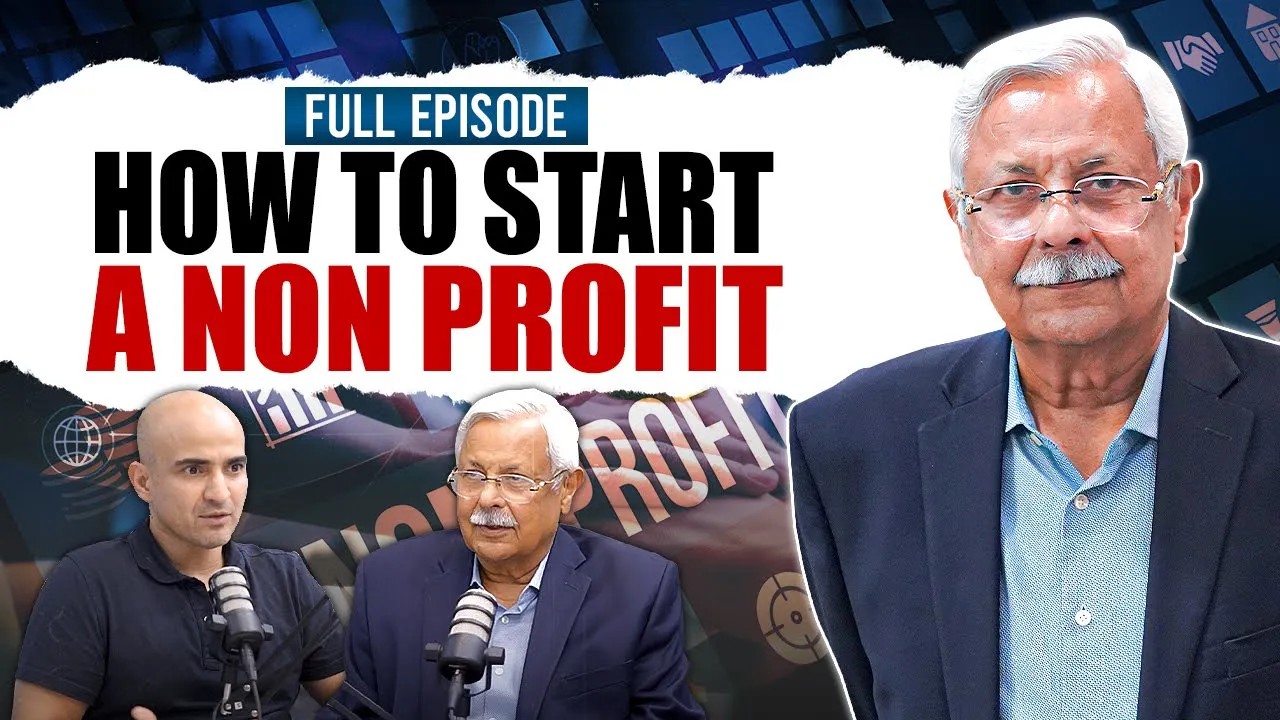
Every so often, you hear a story that cuts through the cynicism and reminds you of the incredible power of a single, focused idea. My conversation with Hafiz Haq, the founder of the Professional Education Foundation (PEF), was one of those stories. Here is a man who spent his life climbing the corporate ladder across the globe, reaching the level of Senior Vice President at Philips in California, only to find his true calling in a chance encounter at a university in Lahore.His journey is a powerful proof to the idea that instead of cursing the darkness, one can simply light a candle. After retiring, during a moment of self-reflection on a beach in Hong Kong, he decided he owed a debt to Pakistan, the country that gave him his start.
The Pakistan Factor
He didn’t have a grand plan, just a budget he intended to donate annually. But on a trip to Pakistan, he saw a group of students outside a professor’s office. They had achieved the impossible,gaining admission to a top engineering university,but their faces were filled with anxiety, not joy. They had no idea how they would pay their fees.That moment was the spark.
The Technology Bet
Instead of just complaining about the state of the nation with his friends over lunch,a ritual so many of us are familiar with,he challenged them. “What can we do?” he asked. That question led to the birth of PEF.What makes PEF’s story so compelling is not just its mission, but its execution. Hafiz Haq applied the same rigorous, data-driven principles he learned in the corporate world to philanthropy.
The People Question
Their model is a lesson in efficiency and impact. They focus only on students who have already earned admission to top-tier government universities in five specific fields,Medicine, Engineering, IT, BBA, and Agriculture,because their analysis showed these professions offer the best “Return on Investment” for lifting families out of poverty.Their transparency is absolute. No money is ever given to the students directly. Instead, 100% of the funds are paid to the universities, eliminating any chance of leakage or corruption.
What Comes Next
This corporate-style discipline has earned them a top-5 ranking among 450 NGOs in Pakistan.The results are nothing short of impressive. We’re not just talking about statistics; we’re talking about lives transformed. A farmer’s son, whose brother died because they couldn’t afford medicine, is now a doctor who performs 500 free cataract surgeries every year in his village. A motor mechanic’s son from rural Sindh is now a doctor in the US, funding the education of 30 of his family members. This is the multiplier effect in action. It’s the ROI of hope. This conversation was a powerful reminder that the most brilliant minds in our country are often hidden in plain sight, just waiting for a single opportunity to shine.
Frequently Asked Questions
Hafiz Haq is a prominent figure in business featured on the DigiTales podcast with Faizan Sayed, where they discussed their career, insights, and vision for Pakistan's future.
Hafiz Haq discussed the state of Pakistan's creative sector on DigiTales, offering a firsthand account of the challenges artists face and the opportunities that remain for those willing to push boundaries.
DigiTales is a podcast hosted by Faizan Sayed, CEO of East River Digital, featuring weekly conversations with Pakistan's most influential leaders across business, culture, policy, and technology. The show covers real stories and hard-won insights from CEOs, artists, politicians, and entrepreneurs.
Guest: HAFIZ HAQ
Hafiz Haq is the founder of the Professional Education Foundation (PEF), a Pakistan-focused NGO ranked in the top 5 among 450 NGOs in the country. A former Senior Vice President at Philips in California, he returned to Pakistan after retirement to fund higher education for talented students from low-income families.
Host: Faizan Sayed
Faizan Sayed is the founder of DigiTales Podcast and CEO of East River Digital, a performance-led marketing agency with offices in Pakistan, KSA, and the US. Each week, he interviews Pakistan's most influential leaders across business, culture, and policy.
Category
- Arts & Culture (1)
- Automotive (3)
- Banking & Finance (1)
- Business & Economy (7)
- creative entrepreneurship (1)
- E-Commerce (1)
- Education (1)
- Entertainment (5)
- Entrepreneurship (4)
- Fashion (3)
- Food & Beverage (1)
- growth strategy (1)
- Human Resources (1)
- Insurance & Finance (1)
- Media & Content (2)
- Pakistan-India relations (1)
- Politics (4)
- Social Impact (2)
- Sports (1)
- Technology (1)
- Urban Planning (2)
Recent Post
-
Sheema Kermani: Dance, Culture, and Pakistan's Social Fabric
-
The Survival Playbook: How Ticketwala Launched into a Pandem
-
Zafar Masud on Banking, Rates, and Pakistan's Financial Future
-
The ROI of Hope: Wasif Ali Khan's Foundation for Pakistan's Hidden Talent
-
Liquid Gold: Decoding Karachi's Billion-Dollar Water Crisis
-
The Art of Perception: Syed Jawaid Iqbal on Shaping Reality
-
The Trapped Rat: Sunil Munj on Pakistan's Broken Auto Market
-
The Regulator Solution: Sohail Wajahat's Broken System Fix